1. Performance and Driving Experience
⚡ Electric Cars (EVs)
Electric cars deliver instant torque, which means fast acceleration from a standstill. Models like the Tesla Model 3 Performance, Porsche Taycan, and BYD Yangwang U9 can outperform many traditional sports cars.
Pros:
Instant acceleration
Smoother ride
Quiet driving
No gear shifting
Cons:
According to the International Energy Agency, electric cars in 2025 continue improving performance and efficiency.
Link: https://www.iea.org
⛽ Gas Cars (ICE)
Gasoline cars still dominate in terms of top speed and emotional driving experience. Many enthusiasts prefer them for their engine sound, manual gearboxes, and fuel flexibility.
Pros:
Cons:
2. Cost of Ownership
⚡ Electric Cars
Electricity is generally cheaper than fuel. Maintenance costs are lower because EVs have fewer moving parts.
Average cost benefits:
However:
⛽ Gas Cars
Gasoline cars are usually cheaper to buy, but more expensive to own long-term.
Costs include:
3. Range and Refueling
⚡ Electric Cars
Modern EVs reach 350–700 km per charge.
Fast charging networks continue to grow, but still not everywhere.
Pros:
Cons:
You can compare the real-world range of different EV models using the EV Database, which provides updated charging and battery data.
Link: https://ev-database.org
⛽ Gas Cars
Still unbeatable for long road trips.
Pros:
Cons:
Gasoline prices continue to fluctuate globally, and you can check the latest averages on Global Petrol Prices.
Link: https://www.globalpetrolprices.com
4. Environmental Impact
⚡ Electric Cars
Zero tailpipe emissions, cleaner for cities, and essential for fighting climate change.
Charging with renewable energy makes EVs extremely eco-friendly.
⛽ Gas Cars
Internal combustion engines release CO₂, nitrogen oxides, and other pollutants.
More countries are introducing restrictions on older gasoline cars.
The EPA explains how EVs significantly reduce emissions compared to traditional gasoline vehicles.
Link: https://www.epa.gov/greenvehicles
5. Reliability and Maintenance
⚡ EVs
Very reliable because they have:
No oil system
No spark plugs
No gearbox
Fewer parts to break
The main concern is battery degradation (usually 1–2% per year).
⛽ Gas Cars
Still reliable, especially Japanese brands like Toyota and Honda.
But require more regular maintenance:
oil, filters, belts, exhaust, clutch, etc.
Recent tests from Consumer Reports show that electric cars require fewer repairs than gas-powered models.
Link: https://www.consumerreports.org/cars
6. Resale Value in 2025
EVs with strong brands keep their value well (Tesla, BYD, Hyundai Ioniq).
Low-quality EVs with old batteries lose value faster.
Gas cars still maintain good resale value because many buyers prefer traditional engines and are afraid of battery costs.
Conclusion: Which Is Better in 2025?
The winner depends on your lifestyle:
Choose an Electric Car if you:
✔ Drive mostly in the city
✔ Want low running costs
✔ Want fast acceleration
✔ Have charging at home
✔ Care about environment
Choose a Gas Car if you:
✔ Take long road trips
✔ Live in an area with poor charging network
✔ Prefer engine sound and driving emotion
✔ Need fast refueling anytime
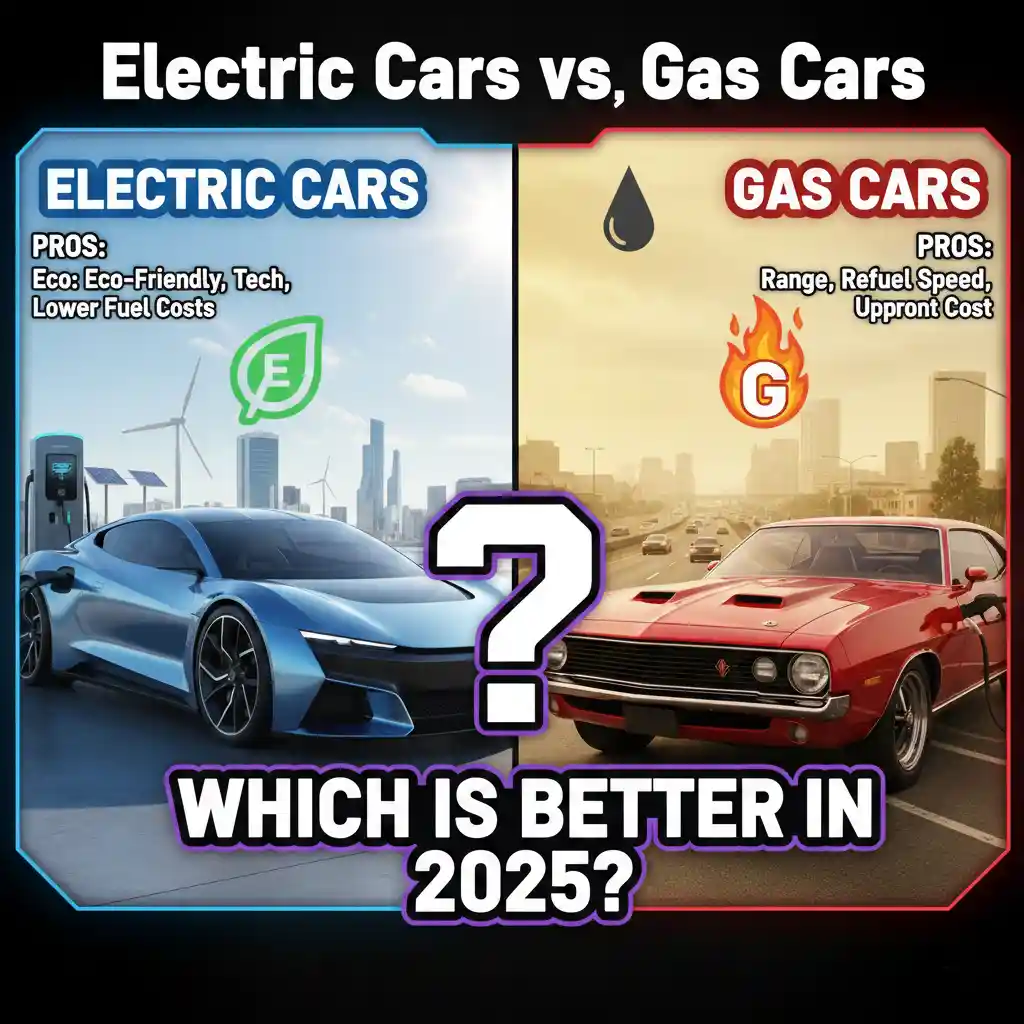
In 2025, electric cars are better for everyday use, while gas cars remain better for long-distance drivers and driving enthusiasts.