Deep In Cars

electric cars 202 hybrid cars comparison EV vs hybrid electric vehicle benefits hybrid vs electric cost eco-friendly cars

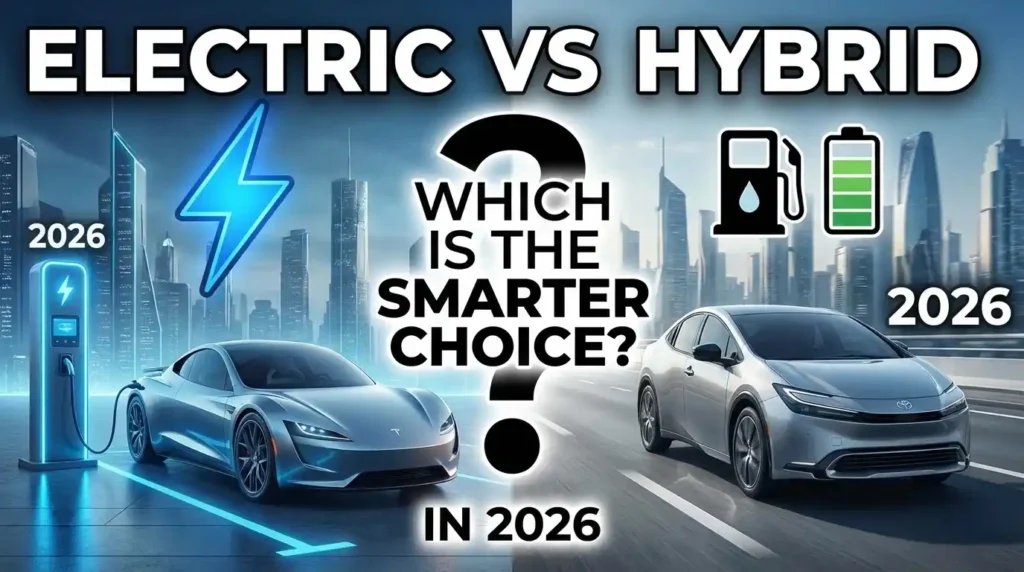
Electric vs Hybrid Cars: Which Is the Smarter Choice in 2026?

Electric and hybrid vehicles are no longer niche options reserved for early adopters. In 2026, they are central to the global automotive market, driven by stricter emissions regulations, rising fuel costs, and rapid technological innovation. However, many buyers still face the same question: should you choose an electric car or a hybrid car?

While both options promise lower emissions and improved efficiency compared to traditional gasoline vehicles, they differ significantly in cost, performance, infrastructure requirements, and long-term ownership experience. This article provides a clear, practical comparison to help you make an informed decision.

Popular electric cars in 2025 include the Tesla Model 3, BYD Seal, Hyundai Ioniq 6, and Volkswagen ID.4.

What Is an Electric Car?

An electric vehicle (EV) is powered exclusively by electricity stored in a battery pack. It does not use gasoline or diesel and produces zero tailpipe emissions.

Key Characteristics of Electric Cars

  • Fully electric motor with no internal combustion engine

  • Requires charging via home chargers or public charging stations

  • Lower running and maintenance costs

  • Instant torque and smooth acceleration

Popular electric cars in 2025 include the Tesla Model 3, BYD Seal, Hyundai Ioniq 6, and Volkswagen ID.4.

What Is a Hybrid Car?

A hybrid vehicle (HEV) combines a gasoline engine with an electric motor and a small battery. The battery is charged automatically through regenerative braking and the engine itself—no external charging required.

Key Characteristics of Hybrid Cars

  • Uses both fuel and electric power

  • Better fuel efficiency than conventional cars

  • No need for charging infrastructure

  • Longer driving range than most EVs

Common hybrid models include the Toyota Corolla Hybrid, Toyota Prius, Honda Accord Hybrid, and Ford Escape Hybrid.

Cost Comparison: Electric vs Hybrid

Purchase Price

Electric cars generally have a higher upfront cost due to large battery packs. However, prices are decreasing as battery technology improves. Hybrids usually cost less than EVs but more than standard gasoline cars.

Running and Maintenance Costs

  • Electric cars: Lower energy cost per kilometer and fewer moving parts, resulting in reduced maintenance expenses.

  • Hybrid cars: Still require oil changes and engine maintenance, though fuel savings are significant.

Over long-term ownership, EVs often become more cost-effective, especially in regions with electricity incentives.


Charging and Refueling Convenience

This is a decisive factor for many buyers.

  • Electric vehicles require access to charging stations or a home charger. Charging times range from 20 minutes (fast charging) to several hours.

  • Hybrid vehicles refuel at any gas station and do not depend on charging infrastructure.

If you live in an area with limited charging stations, a hybrid may be the more practical option.


Environmental Impact

Electric cars are considered the cleanest option during daily use, producing zero emissions while driving. However, battery production has an environmental footprint.

Hybrid cars still emit CO₂ but significantly less than traditional vehicles. In countries where electricity comes from renewable sources, EVs have a clear environmental advantage.


Performance and Driving Experience

Electric cars deliver instant torque, making them faster off the line and smoother to drive. They are also quieter, which enhances comfort.

Hybrid cars prioritize efficiency over performance, but modern systems deliver balanced acceleration and refined driving suitable for daily use.


Which One Should You Choose?

Choose an electric car if:

  • You have access to reliable charging

  • You want the lowest running costs

  • You prioritize zero emissions and future-proof technology

Choose a hybrid car if:

  • You frequently drive long distances

  • Charging infrastructure is limited in your area

  • You want fuel efficiency without changing driving habits


finally 

Both electric and hybrid cars are excellent alternatives to traditional vehicles in 2026. Electric cars represent the future of mobility, while hybrids serve as a practical transition technology. The right choice depends on your lifestyle, driving patterns, and local infrastructure. As technology evolves, both options will continue to improve in affordability, efficiency, and performance.
Sources

  1. International Energy Agency (IEA) – Global EV Outlook
    https://www.iea.org/reports/global-ev-outlook-2024

  2. U.S. Department of Energy – Electric Vehicles Explained
    https://www.energy.gov/eere/electricvehicles

  3. MotorTrend – Hybrid vs Electric Cars Comparison
    https://www.motortrend.com/features/hybrid-vs-electric-cars/

You may love to see..