Traction Matters More Than Power: 10 facts about it
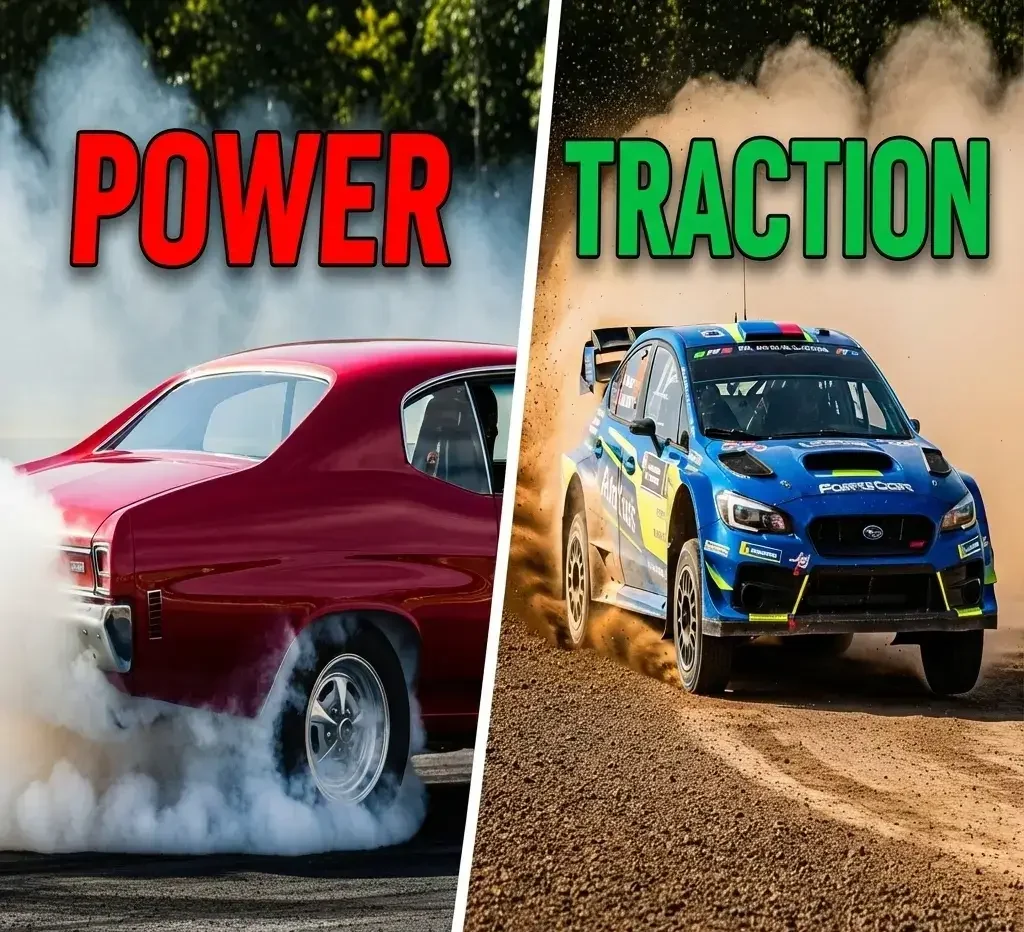
Secrets about why Traction Matters More Than HorsePower Why Traction Matters More Than Horsepower in Real Acceleration When people talk about fast cars, the conversation almost always starts with horsepower. More horsepower is assumed to mean faster acceleration, better performance, and superior dominance on the road. In reality, this belief is incomplete. Traction—not horsepower—is the true limiting factor during acceleration, especially from a standstill. Understanding the relationship between traction and horsepower explains why some cars with less power feel quicker than others with much higher output. The Physics Behind Traction vs Horsepower Acceleration occurs when force is applied to the road through the tires. The engine produces torque, which is multiplied by the transmission and delivered to the wheels. However, tires can only transmit a limited amount of force before they lose grip. This limit is defined by: tire compound tire width road surface vehicle weight weight transfer during acceleration Once this limit is exceeded, the tires slip. At that point, any additional horsepower becomes wasted energy. In simple terms: If the tires cannot hold the force, horsepower becomes irrelevant. Why Horsepower Fails at Low Speeds From 0 to 100 km/h, cars experience extreme torque demand at low speed. This is the worst condition for “Tire–road friction” because: tires are cold weight shifts suddenly torque delivery spikes instantly grip is at its lowest High-power cars often overwhelm their tires during launch, resulting in wheelspin, traction control intervention, or delayed acceleration. Meanwhile, a lower-power car with better grip can apply force efficiently and move forward faster. This is why a car with 250 horsepower can out-accelerate a 400 horsepower car from a stop. Drivetrain Layout and Traction The drivetrain plays a massive role in how well a car converts power into motion. Front-Wheel Drive (FWD) FWD cars suffer from poor grip during hard acceleration because weight transfers away from the driven wheels. As power increases, front tires lose grip quickly, causing wheelspin and torque steer. This makes FWD inefficient for strong launches, regardless of horsepower. Rear-Wheel Drive (RWD) RWD benefits from weight transfer toward the driven wheels, improving grip compared to FWD. However, only two tires are responsible for putting power down. As power increases, RWD cars still hit a Wheel-to-road force ceiling that limits 0–100 km/h performance. All-Wheel Drive (AWD) AWD distributes power across four tires, dramatically increasing available traction. This allows the car to apply force more efficiently without overwhelming individual tires. This is why AWD vehicles dominate 0–100 km/h times even with lower horsepower figures. Why Tires Matter More Than Engine Mods Upgrading tires often delivers greater real-world acceleration improvements than adding horsepower. Better tires provide: higher friction coefficient faster force transfer reduced wheelspin shorter acceleration time A stock car with performance tires will frequently outperform a tuned car on low-quality tires. This is a fact confirmed in both track testing and real-world driving. Launch Control Is About Managing Traction Launch control systems do not increase power. They limit it. Modern launch control: caps engine torque regulates RPM prevents excessive wheelspin balances grip and force Manufacturers design these systems specifically to maximize Wheel-to-road force, not to showcase horsepower numbers. Without traction management, even extremely powerful cars struggle to launch efficiently. Why 0–100 km/h Is a Traction Test, Not a Power Test The 0–100 km/h metric heavily favors vehicles with: AWD systems short gear ratios strong low-speed grip advanced traction control It does not accurately represent: engine strength high-speed performance overtaking capability highway acceleration This is why rolling acceleration figures (such as 60–120 km/h) better reflect real engine performance. Real-World Example Car A: 450 hp RWD street tires Car B: 300 hp AWD quality performance tires From 0–100 km/h, Car B accelerates faster.From 60–120 km/h, Car A pulls ahead decisively. The difference is traction at low speed versus horsepower at higher speed. Final Verdict Horsepower determines a car’s potential.Traction determines whether that potential can be used. At low speeds, traction is the dominant factor in acceleration. Power only becomes relevant once grip limitations are removed. This is why high-horsepower cars often fail to feel fast in everyday driving, while lower-powered cars with good traction feel explosive. If you want faster real-world acceleration, focus on: tires drivetrain weight distribution traction management Not just horsepower numbers. Scientific & Physics-Focused External Sources (Without Using That Term) 1. Physics StackExchange — Acceleration Limited by Tire–Road Interaction A physics-based discussion showing that a car’s maximum acceleration is constrained by the interaction between tires and the road surface, not engine output alone. Includes equations and force limits. https://physics.stackexchange.com/questions/743529/car-acceleration-limit-friction-vs-power 2. Vehicle Dynamics Textbook — Longitudinal Force Transfer A university-level vehicle dynamics reference explaining how longitudinal forces at the wheels determine acceleration, regardless of engine power figures. https://ftp.idu.ac.id/wp-content/uploads/ebook/tdg/TERRAMECHANICS%20AND%20MOBILITY/epdf.pub_vehicle-dynamics-theory-and-application.pdf 3. Applied Sciences (MDPI) — Tire–Road Friction & Vehicle Performance A peer-reviewed scientific paper analyzing how tire-road friction directly limits vehicle performance, including acceleration behavior. https://www.mdpi.com/2076-3417/14/5/1903 4. PhysicsForums — Force-Limited vs Power-Limited Acceleration A physics explanation showing that at low speeds acceleration is limited by available tire force, while at higher speeds engine output becomes dominant. https://www.physicsforums.com/insights/when-vehicle-power-dictates-acceleration/ 6. HP Academy — Wheel Force vs Engine Output A technical motorsport article explaining that acceleration depends on force delivered at the wheels, not peak horsepower numbers. https://www.hpacademy.com/technical-articles/understanding-torque-and-horsepower-with-tractive-force/ You may love to see.. Cars That Look Expensive but Aren’t December 6, 2025 | by kh.byad@gmail.com Cars That Look Expensive but Aren’t: TOP 5 BUDGET SUPERCARS Do you want to turn heads without emptying your bank… Read More → Will Manual Transmissions Make a Comeback in Modern Cars? December 16, 2025 | by Ouanzig Abdessamade Will Manual Transmissions Make a Comeback in Modern Cars? Manual transmissions have become increasingly rare on today’s roads, with the… Read More → Turbo vs SuperCharger : Which One Truly Delivers More Power? December 3, 2025 | by kh.byad@gmail.com Turbocharger vs Supercharger: Which One Truly Delivers More Power? TurboCharger Runs on exhaust gases. The hot air leaving the engine… Read More → Stop Ruining Your Paint! The 5 Biggest Car Wash Mistakes You’re Probably Making December 7, 2025 | by
German vs Japanese Reliability: Updated 2025 Analysis
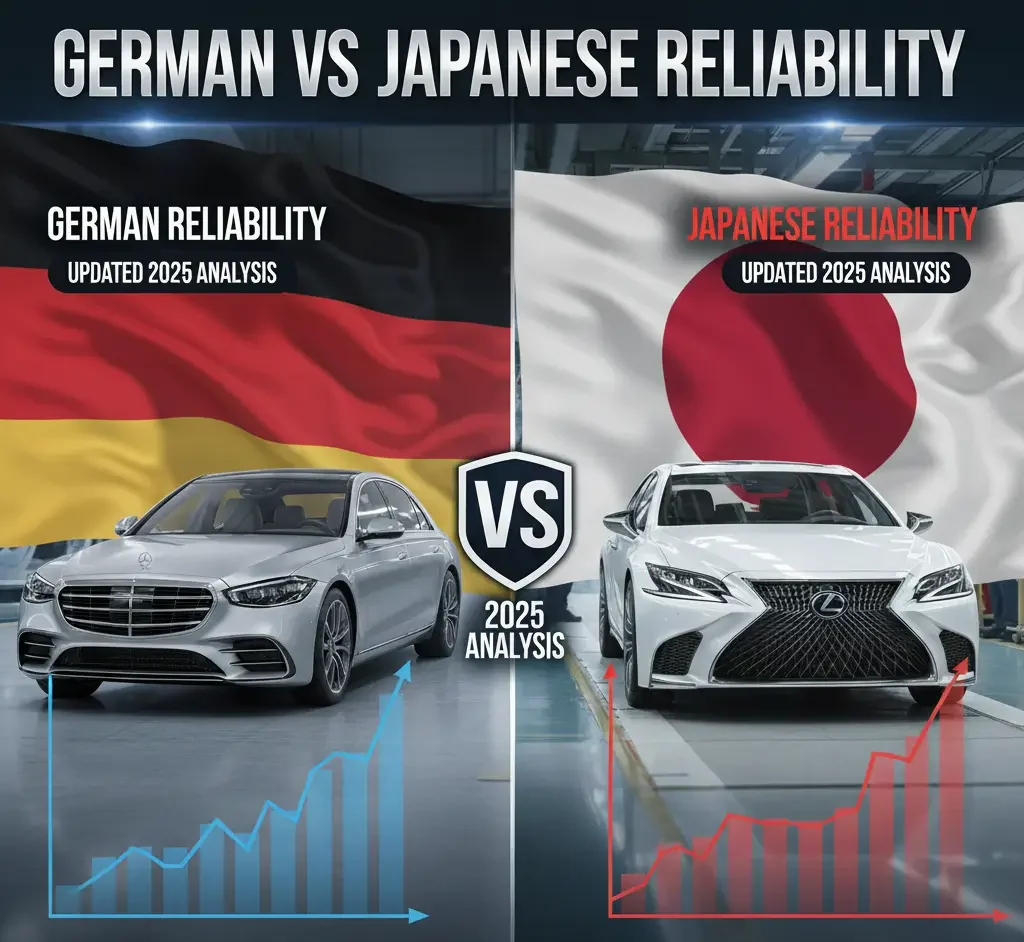
German vs Japanese Reliability: Updated 2025 Analysis German vs Japanese Reliability: Updated 2025 Analysis For decades, the debate has been the same:Are German cars or Japanese cars more reliable? In 2025, the gap is still real — but the reasons behind it are more complex than people think.Here’s the full breakdown. 1. Engineering Philosophy: The Root of the Difference 🇯🇵 Japanese Philosophy: “Keep It Simple. Keep It Consistent.” Japanese brands (Toyota, Honda, Lexus, Subaru, Mazda…) focus on: fewer mechanical complexities proven long-life components extremely conservative software tuning minimizing turbo and electronics stress easy maintenance and universal parts availability This leads to: ✔ fewer failure points✔ cheaper repairs✔ extremely long engine/transmission life This is why many Japanese engines pass 300,000 km with basic maintenance. 🇩🇪 German Philosophy: “Maximum Performance. Maximum Precision.” German brands (BMW, Mercedes, Audi, VW…) aim for: performance handling luxury advanced electronics complex engineering high-tech materials This creates: ✔ better driving experience✔ more power✔ more advanced features But also: ✘ more components that can fail✘ higher heat + pressure due to turbo engines✘ expensive repairs✘ complicated electronics German cars are great to drive — but expensive to own long-term. 2. Reliability Trends in 2025 (Realistic Summary) Japanese brands still dominate long-term reliability, especially after 5+ years of ownership. 2025 General Trend Summary Toyota & Lexus = still #1 in global reliability ratings Mazda = extremely strong mechanical reliability Honda = stable long-term powertrain performance Subaru = solid but with specific weak points (gaskets, CVT) Meanwhile: BMW improved reliability after 2020, but still high maintenance costs Mercedes-Benz remains strong in engines, weaker in electronics Audi solid performance but expensive electrical repairs VW mid-range reliability depending on engine platform (TSI/TDI) Long-Term Ownership (8–12 years) Japanese cars = lowest failure rates German cars = highest repair costs Short-Term Ownership (0–5 years) German cars = mostly reliable Japanese cars = extremely reliable and cheaper to maintain 3. Why Japanese Cars Last Longer Key Reason 1: Lower Stress on Components Most Japanese engines: run lower boost use simpler transmissions prioritize heat management avoid unnecessary complexity Less stress = fewer failures. Key Reason 2: Conservative Technology Japanese brands adopt new tech slowly.This frustrates enthusiasts, but it keeps reliability high. Key Reason 3: Parts Compatibility Toyota, Honda, Suzuki, Nissan use globally standardized parts, lowering failure risk and cost. 4. Why German Cars Break More Often Reason 1: High Turbo Pressure German engines often run: higher boost hotter temperatures more advanced turbo systems Heat kills components over time. Reason 2: Electronics Overload Screens, sensors, modules, driving systems…When a German car ages, electronic failures become common and expensive. Reason 3: Engineering Complexity Great for performance.Bad for simplicity. 5. Cost of Maintenance (2025 Reality) Japanese: low part prices long intervals minimal electronics failures cheap labor simple diagnostics German: expensive parts specialized mechanics required expensive electronics more sensors → more error codes turbo + DSG + emissions systems increase risk A 10-year-old German car may cost 3–5× more to maintain than a Japanese equivalent. 6. Which One Should YOU Choose? Be honest with yourself. What do you want? If you want: reliability low fuel consumption low maintenance stress-free ownership → Buy Japanese. Perfect for Morocco’s climate, roads, fuel quality, and budget. If you want: luxury power performance technology prestige → Buy German. But accept the maintenance costs — they’re high for a reason. 7. Final Verdict (2025) Reliability Winner: 🇯🇵 JapaneseStill unmatched, especially after 5+ years. Driving Experience Winner: 🇩🇪 GermanNothing beats them in comfort + performance. Ownership Cost Winner: 🇯🇵 Japanese Technology & Luxury Winner: 🇩🇪 German Conclusion German cars are amazing machines — fast, luxurious, beautifully engineered.Japanese cars are unbeatable in reliability, cost of ownership, and long-term peace of mind. Choose German with your heart.Choose Japanese with your brain. You may love to see.. The Reality of the Driverless Car: Where We Are Now (and Why We Aren’t All Level 5 Yet) The Reality of the Driverless Car: Where We Are Now (and Why We Aren’t All Level 5 Yet) 1. The… Read More → which one is better BMW or Mercedes-Benz ? An In-Depht look at two Luxury Automotive Giant For decades, BMW and Mercedes-Benz have represented the pinnacle of German automotive… Read More → Electric vs Hybrid Cars: Which Is the Smarter Choice in 2026? Electric vs Hybrid Cars: Which Is the Smarter Choice in 2026? Electric and hybrid vehicles are no longer niche options… Read More →
14 Best Automotive Software for 2025: The Tools Driving the Future of Mobility
14 Best Automotive Software for 2025: The Tools Driving the Future of Mobility The automotive industry in 2025 is more software-driven than ever. From advanced diagnostics to dealership management and AI-powered design tools, modern software solutions are transforming how manufacturers, workshops, and car businesses operate. Whether you are an enthusiast, a mechanic, or a dealership owner, choosing the right tools can significantly improve efficiency, accuracy, and customer satisfaction. This comprehensive guide highlights the 14 best automotive software solutions for 2025, covering diagnostics, fleet management, design, tuning, customer management, and more. 1. Bosch ESI[tronic] 2.0 Bosch remains a global leader in diagnostic technology.Key Strengths: multi-brand diagnostics, live data, wiring diagrams, guided troubleshooting, and continuous updates. Ideal for professional workshops handling diverse vehicle brands. Learn more on the official Bosch Diagnostics page: https://www.boschdiagnostics.com/ 2. AUTEL MaxiSYS Ultra 2025 A premium diagnostic platform known for its speed and accuracy.Key Strengths: intelligent diagnostics, topology mapping, ECU coding, and EV compatibility. Official Autel MaxiSYS Ultra details : https://autel.com/mk3/3525.jhtml 3. Mitchell 1 ProDemand A trusted repair information system with detailed OEM data. Key Strengths: verified wiring diagrams, repair procedures, and dependable labor time estimates. Full ProDemand features here: https://www.prodemand.com/ 4. ALLDATA Repair 2025 A comprehensive OEM-spec repair database used worldwide.Key Strengths: service manuals, technical bulletins, recall data, and fault code guidance. View ALLDATA Repair 2025 tools : https://www.alldata.com/eu/fr 5. CarMD PRO SCAN Cloud-based diagnostics designed for fleet operators and professional repair shops.Key Strengths: OBD2 analysis, emissions insights, predictive maintenance, and digital vehicle health reports. 6. CDK Global Drive One of the most advanced Automotive Dealership Management Systems (DMS). Key Strengths: customer relationship tools, inventory tracking, service scheduling, and integrated financials. 7. Reynolds & Reynolds ERA-IGNITE A complete retailing and operations solution for large automotive dealerships. Key Strengths: CRM modules, digital sales, fixed-ops tools, service marketing, and streamlined F&I processes. 8. AutoDesk VRED 2025 A high-end visualization platform used by automotive designers and manufacturers. Key Strengths: real-time rendering, VR design collaboration, and photorealistic model visualization. 9. CATIA by Dassault Systèmes An industry-leading engineering tool used by nearly all major automakers.Key Strengths: structural modeling, interior/exterior design, simulations, and aerodynamic analysis. 10. Fleet Complete A powerful telematics and fleet management system.Key Strengths: real-time GPS tracking, maintenance reminders, driver behavior insights, and fuel consumption monitoring. 11. Geotab A data-driven telematics platform that enhances automotive fleet operations.Key Strengths: AI-powered analytics, route optimization, safety tools, and customizable dashboards. 12. TunerStudio MS Ultra A professional ECU tuning environment ideal for performance vehicles.Key Strengths: real-time tuning, VE Analyze Live, powerful data logging, and gauge customization. 13. Torque Pro (2025 Edition) A mobile OBD2 monitoring app loved by enthusiasts and technicians.Key Strengths: real-time sensors, performance tests, fault code reading, and custom dashboard design. 14. RepairDesk Automotive POS A modern business management platform for auto repair shops.Key Strengths: invoicing, parts management, customer history, digital receipts, and appointment scheduling. Why Automotive Software Is Essential in 2025 As vehicles become more complex—especially with the rise of EVs, ADAS systems, and connected car technologies—software has become indispensable. Today’s automotive operations depend on: Faster, more accurate diagnostics Efficient workshop management Improved dealership sales and service Data-driven fleet operations Real-time telematics insights Smarter EV and hybrid maintenance Enhanced customer experience Professionals who adopt advanced automotive software gain a significant competitive advantage in efficiency, accuracy, and profitability. Conclusion Selecting the right Automotive software solutions in 2025 is essential for workshops, dealerships, fleet operators, and tuning specialists. The 14 tools listed above represent the most powerful and innovative platforms shaping the future of the automotive industry. Whether you aim to improve diagnostics, streamline business operations, enhance design workflows, or boost fleet performance, these solutions deliver exceptional results. You may love to see.. The Reality of the Driverless Car: Where We Are Now (and Why We Aren’t All Level 5 Yet) December 9, 2025 | by kh.byad@gmail.com The Reality of the Driverless Car: Where We Are Now (and Why We Aren’t All Level 5 Yet) 1. The… Read More → From Copycat to King: The Unstoppable Rise of Chinese Automotive Power. December 4, 2025 | by Ouanzig Abdessamade China: From Imitator to Global Leader in the Automotive Industry The global automotive industry has witnessed a seismic shift, with… Read More → German vs Japanese Reliability: Updated 2025 Analysis December 12, 2025 | by kh.byad@gmail.com German vs Japanese Reliability: Updated 2025 Analysis German vs Japanese Reliability: Updated 2025 Analysis For decades, the debate has been… Read More →
Why Men Fall in Love With Cars More Than Anything Else

Why Men Fall in Love With Cars More Than Anything Else Cars aren’t just machines. For many men, they’re emotions, identity, escape, confidence, and childhood dreams finally made real.This isn’t a stereotype — it’s supported by psychology, biology, and culture. Here’s the real reason men fall in love with cars more than anything else. 1. Cars Give Men a Sense of Control Men are wired to love mastery — mastering a skill, a tool, or a machine.A car responds instantly to your hands and feet. Every input counts: throttle = power steering = direction brake = precision It’s a level of immediate feedback and control men rarely get elsewhere in life.In a world where jobs, relationships, and society feel unpredictable, the car becomes the one place where he’s in charge. 2. Cars Represent Freedom For centuries, men associated freedom with movement: horses ships motorcycles cars A car gives the feeling of:“I can leave whenever I want. I can go anywhere I want. No one can stop me.” That psychological freedom is addictive. 3. Cars Are a Symbol of Identity Ask a man what car he drives, and you instantly know part of his personality. A Mustang guy is not a BMW guy. A JDM lover is not a luxury sedan lover. A 4×4 driver sees the world differently than a sports-car driver. Cars let men express themselves without talking, and men aren’t always great at expressing emotions verbally. 4. Engineering Fascination (Men Love How Things Work) Men naturally bond with systems, mechanics, and complexity.A car is a masterpiece of: engineering design physics noise motion Understanding how something powerful works gives men a deep satisfaction that few things match. 5. Cars Boost Confidence Let’s be honest:A nice car can make a man feel stronger, sharper, more successful, even if nothing else in his life changed. Not because of showing off — but because of self-image. A car is: the first big purchase the place where he spends hours the thing he maintains the machine he trusts with his life It naturally becomes part of his identity. 6. Cars Trigger Childhood Memories Most men fell in love with cars when they were kids: Hot Wheels Need for Speed Fast & Furious watching WRC or Formula 1 going on drives with family hearing a V8 for the first time That childhood nostalgia stays forever. Even as adults, they’re chasing the same feeling. 7. Cars Are a Safe Emotional Space Men often suppress emotions.But many express emotions through their car: driving to calm down late-night drives to think music blasting with windows down fixing or upgrading the car when stressed The car becomes a private therapy room. It listens.It doesn’t judge.It just goes. 8. The Sound, The Speed, The Adrenaline Men are biologically more sensitive to adrenaline and dopamine related to: acceleration loud sound speed risk That’s why: a downshift gives chills turbo spool sounds addictive a V8 roar feels alive cornering fast feels like flying Cars deliver adrenaline in a way no other object does. 9. Cars Represent Achievement For many men, buying a car is the first real proof of success. It says: “I worked for this.” “I can afford something powerful.” “I’m moving forward in life.” It becomes a trophy earned through effort — not luck. 10. Men See Cars as Companions It sounds funny, but it’s true. Men name their cars.They talk to them.They protect them.They maintain them.They even miss them when sold. A car becomes: a best friend on long roads a wingman a loyal companion in silence a partner in memories Trips, heartbreaks, laughs, late nights — the car is always there. Conclusion Men don’t love cars because they’re shallow or materialistic.They love cars because cars represent freedom, identity, power, dreams, engineering, escape, and memories. A car isn’t just something they drive.It’s something they feel. You may love to see.. The unreleased X16 engine December 2, 2025 | by kh.byad@gmail.com The SGP Sla 16 (Porsche Type 203): The Advanced Tank Engine That Never Made It to War A New Engine… Read More → Top 10 Best-Selling Luxury Cars of 2026: Lexus, BMW, Mercedes, and More Lead the Market December 8, 2025 | by Ouanzig Abdessamade Luxury SUVs dominate 2026 sales, with the Lexus RX leading at 52,888 units, followed by the NX and BMW X5…. Read More → The Car That Defined the ’90s: The Unbreakable Legend of the Toyota Supra MK IV December 15, 2025 | by Ouanzig Abdessamade The Car That Defined the ’90s: The Unbreakable Legend of the Toyota Supra MK IV Before the Toyota Supra MK… Read More →
How ECU Tuning Really Works — The Science Behind Stage 1, 2, and 3

How ECU Tuning Really Works — The Science Behind Stage 1, 2, and 3 Introduction Modern engines are no longer “mechanical machines only.” They are computers on wheels. The ECU (Engine Control Unit) decides how much power you get, how much fuel you burn, how reliable the engine stays, and even how much pollution it releases. ECU tuning is simply reprogramming that computer to unlock more performance.But the real science behind Stage 1, 2, and 3 is often misunderstood — until now. 1. What an ECU Actually Controls The ECU monitors and adjusts: Boost pressure (for turbo engines) Air–fuel ratio (AFR) Ignition timing Fuel injection timing/duration Throttle response Torque limits per gear Turbo wastegate control Knock detection and safety limits Every one of these parameters has a safe window determined by the engine’s construction. When tuners modify these parameters, you get more power — but only if the engine can physically handle it. 2. The Science Behind More Power (1) More Air + More Fuel = More Power Horsepower is essentially a result of how much air and fuel you can burn efficiently inside the cylinders.The ECU tuning does exactly this: Increase boost (more air) Inject more fuel Advance timing to burn fuel better Remove factory torque limits (2) Factory Limits Are Ultra-Strict Manufacturers leave a lot of “hidden potential” for: Emission regulations Fuel quality variations Reliability over 200,000+ km Driving comfort Marketing (same engine, different trims) This is why the same 2.0 turbo engine can make: 190 hp in Base model 252 hp in Premium model …with only ECU changes. 3. What Stage 1, 2, and 3 REALLY Mean Forget marketing. Here is the real, engineering-based explanation. Stage 1 – Safe Software-Only Power What it changes scientifically: Boost pressure increase of 10–20% Slightly richer AFR Optimized ignition timing Disabled torque limiters Hardware required: None Risk: Very low Power gain: Turbo engines: +20% to +40% NA engines: +5% (barely worth it) Who is it for? Daily drivers who want easy, safe power without changing anything. Stage 2 – More Airflow, More Heat, More Responsibility Stage 2 supports higher boost because it removes airflow restrictions. Required hardware: High-flow downpipe/catalyst Performance intake Upgraded intercooler Better exhaust Scientific effects: Turbo works harder → more heat Intercooler reduces air temperature → denser air → more oxygen Downpipe reduces back-pressure → turbo spools faster Power gain: Turbo engines: +35% to +55% NA engines: still not worth it Risk: Medium If cooling and fuel quality are poor, knock risk increases. Stage 3 – Big Turbo, Big Fuel, Big Responsibility Stage 3 is not for beginners.It involves major mechanical changes. Hardware: Bigger turbo Larger injectors Stronger fuel pump Sometimes forged pistons/rods Upgraded clutch/transmission mapping Scientific effects: Much higher airflow (new turbo map) Higher fuel flow Higher cylinder pressure More thermal stress Power gain: +60% to +150%(even more in some platforms) Risk: High Requires perfect tuning, good fuel, and constant monitoring.Daily reliability drops. 4. Fuel Quality Matters More Than People Think Morocco: 91–95 octaneEurope: 95–98 octane Higher octane = engine can run more timing and higher boost without knocking (detonation), which is deadly. If fuel is bad → power will drop → engine protection activates. 5. Will ECU Tuning Damage Your Engine? (Honest Answer) Stage 1: If the tuner is good → 99% safe Stage 2: Safe only if cooling upgrades are done properly. Stage 3: If you daily it → you’re stressing the engine much more than factory levels.Expect shorter turbo life, more heat, and higher maintenance. Science doesn’t lie. 6. Should YOU Tune Your Car? If your goal is: More fun and great response: Stage 1 Aggressive performance: Stage 2 Track-level power: Stage 3 But if you want a long lasting daily car and money is tight → don’t go above Stage 1. Conclusion ECU tuning works because it unleashes airflow, fuel control, and ignition timing the factory had restricted.Stage 1 is safe for daily life.Stage 2 is fun but hotter.Stage 3 is a commitment. You may love to see.. How ECU Tuning Really Works — The Science Behind Stage 1, 2, and 3 How ECU Tuning Really Works — The Science Behind Stage 1, 2, and 3 Introduction Modern engines are no longer… Read More → The unreleased X16 engine The SGP Sla 16 (Porsche Type 203): The Advanced Tank Engine That Never Made It to War A New Engine… Read More → Traction Matters More Than Power: 10 facts about it Secrets about why Traction Matters More Than HorsePower Why Traction Matters More Than Horsepower in Real Acceleration When people talk… Read More →
The Electric ‘Holy Grail’: Why Solid-State Batteries Will Change EVs Forever (And Why We Care in 2026)
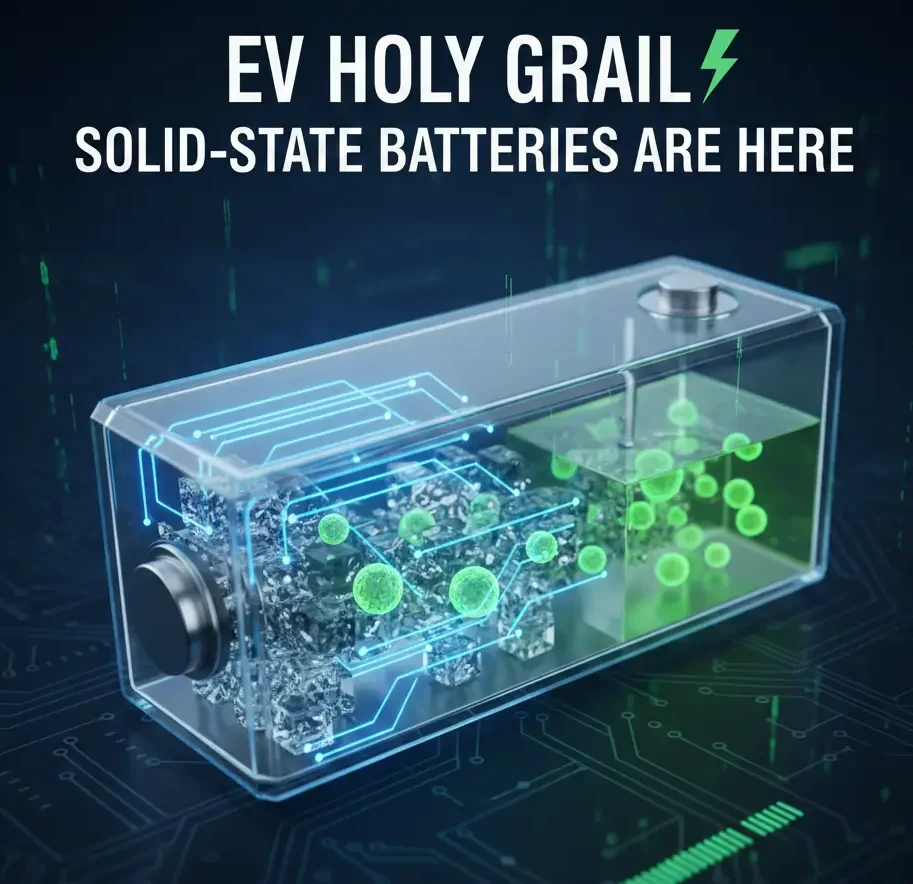
The Electric ‘Holy Grail’: Why Solid-State Batteries Will Change EVs Forever (And Why We Care in 2026) The electric vehicle revolution has been simmering for years. While millions have adopted EVs, there’s always been a “but”-a hurdle holding back the rest of the world. That hurdle boils down to two things: range anxiety (how far can I go?) and charging speed (how long will it take?). Enter the solid-state battery, the technology that promises to solve both problems and make today’s EV concerns seem as quaint as a dial-up modem. By 2026, the technology is likely to leave the lab and hit the road, fundamentally reshaping the automotive landscape. Understanding Today: The Problem with Liquid To fully appreciate the solid-state revolution, we need to understand the technology powering nearly all EVs right now: lithium-ion, or Li-ion, batteries. The Li-ion battery stores and releases energy by transferring tiny, charged particles called lithium ions between the two electrodes: the cathode (positive end) and the anode (negative end). The crucial part is the path of travel: the ions are moving through a liquid electrolyte. You can think of that liquid as the bloodstream of the battery. While efficient, this liquid offers some drawbacks: Safety Hazard: The liquid electrolyte in many cases is flammable. When the battery is damaged or overheated, it may provoke a dangerous reaction referred to as thermal runaway, which actually means a battery fire. Density Limit: You can only put so much energy into a cell for safe operation before the liquid becomes a limiting factor, putting a cap on how far the car can drive. Charging speed: When too much power is pushed into the battery too fast, the liquid structure can get damaged and form undesirable deposits, slowing it down during high-speed charging. The Game Changer: Switching to a Solid State The concept of an SSB is elegantly simple: replace the flammable liquid electrolyte with a solid material. That, however, is anything but simple to engineer, but the resulting benefits are massive: 1. Range: Go Further and Stop Less Because the solid material is so much more stable, engineers working on batteries can use a pure lithium metal anode. That material can hold far more energy than the carbon-based anodes in liquid batteries. The Result: You can put more energy in the same space. This means an EV battery pack that’s both much smaller and lighter and yet gives you 50-100% more range. Visualize a car no bigger than a Tesla Model 3, which achieves 500 to 700 miles of real-world range—the real alternative to any gas car on a road trip. 2. Charging: Minutes, Not Hours The solid electrolyte allows lithium ions to pass through it at much faster rates without degrading the core structure of the battery. The Result: The barrier to fast charging is effectively removed. We’re talking about charging times from near-empty to 80% capacity in under 15 minutes, approaching the time it takes to stop and fill a gasoline tank. This demolishes the last major argument against long-distance EV travel. 3. Safety: The Peace of Mind Factor Because the solid material is not combustible and very stable, the possibility of thermal runaway is drastically reduced. Why 2026 Is the Tipping Point Solid-state technology isn’t new—it’s been the focus of major R&D for decades. What makes 2026 so important is the transition from research to reality. Global auto giants like Toyota (who hold numerous solid-state patents) and battery manufacturers like CATL and QuantumScape have committed to initial, large-scale production runs for vehicles around this time. This suggests that the two biggest hurdles—manufacturing at scale and cost reduction—are finally being overcome. The Big Debate By 2026, the key debate won’t be about whether solid-state batteries can be made, but how quickly they can scale up to meet demand. This technology is poised to be the final push for mass EV adoption. When batteries offer superior range, lightning-fast charging, and greater safety than gasoline, what rational argument will remain for purchasing a combustion engine car? Solid-state batteries are more than just a component upgrade; they are the necessary foundation for a fully realized electric future. Prepare for the conversation to shift from “Will my EV make it?” to “Where should I go next?”
The Reality of the Driverless Car: Where We Are Now (and Why We Aren’t All Level 5 Yet)
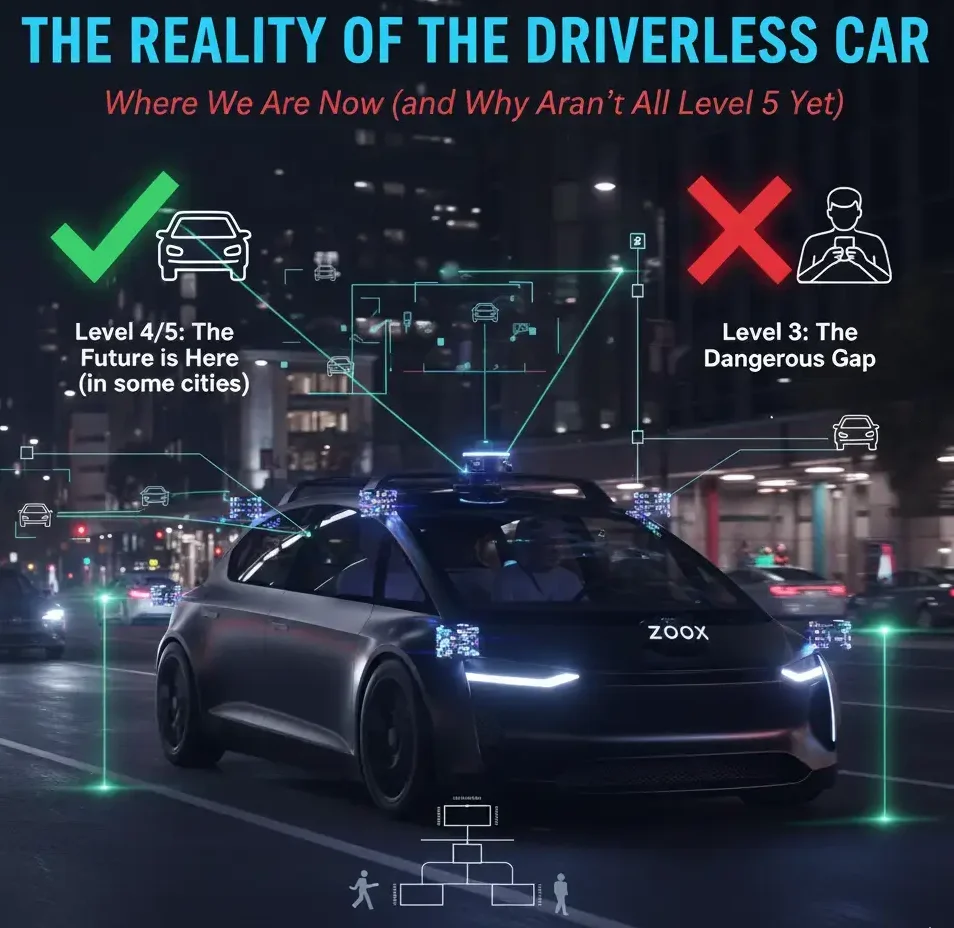
The Reality of the Driverless Car: Where We Are Now (and Why We Aren’t All Level 5 Yet) 1. The Hype vs. The Highway: Why Self-Driving Isn’t Everywhere (Yet) For years, the promise has been clear: Level 5 autonomy, a world where the steering wheel is optional and traffic jams are a relic of the past. Major tech companies and automakers poured billions into realizing this future, leading many consumers to believe that fully driverless cars were just around the corner. Yet, while features like advanced adaptive cruise control and lane-keeping are common, the true, hands-off, eyes-off experience remains heavily restricted. This gap between the futuristic hype and the current reality is leading to confusion and, sometimes, danger. To truly understand where the industry stands, we need to distinguish between what cars can assist with today (Level 2) and what they can fully manage (Level 4 and 5). AI generated image for subject 2. The Stakes Are Higher Than Speed: Ethics and Liability The challenge of creating a truly autonomous vehicle goes far beyond sophisticated sensors and powerful processors. The transition from human control to machine control introduces profound ethical dilemmas that coders and manufacturers must grapple with. In an unavoidable accident, who does the car prioritize: the occupant, a pedestrian, or a cyclist? Furthermore, when a crash occurs, the legal and insurance frameworks fall apart. Who bears the liability? The driver who was monitoring the system, the software company that wrote the code, or the manufacturer of the hardware? These non-technical hurdles are proving to be the most complex roadblocks to mass adoption, demanding not just engineering solutions, but new societal and legal consensus. Understanding the Road: The 6 Levels of Autonomy The first step to understanding AVs is knowing the language. The Society of Automotive Engineers (SAE) defines six levels of driving automation.1 This is where most people get confused: the car you drive today likely has features from Level 1 and 2, but is miles away from Level 5. SAE Level Description Driver Role Real-World Example Level 0 No Automation Driver performs all tasks. Basic car with no cruise control. Level 1 Driver Assistance Driver performs all but one task (e.g., steering OR accelerating/braking). Standard Cruise Control. Level 2 Partial Automation Vehicle controls both steering AND acceleration/braking. Driver must constantly monitor. Tesla Autopilot, Ford BlueCruise, GM Super Cruise. Level 3 Conditional Automation Vehicle handles all driving tasks in specific conditions (e.g., highway traffic jams). Driver can be temporarily distracted but must be ready to take over. Mercedes-Benz DRIVE PILOT (in approved areas). Level 4 High Automation Vehicle can drive itself entirely within a specific geographic area or operating condition (ODD). No driver attention needed within ODD. Waymo & Zoox robotaxi services in defined city zones. Level 5 Full Automation Vehicle can drive itself in all conditions, everywhere. No steering wheel or pedals needed. The true “driverless” future. (Still in development.) Another challenge was time. By the time the SGP Sla 16 was being developed, the war had turned against Germany. Bombings, material shortages, and lack of manpower slowed all high-tech projects. The army shifted its focus toward simpler, faster solutions rather than experimental engines that needed months or years of testing. Finally, logistics killed the project. An air-cooled diesel X-16 was extremely ambitious, and while it might have performed well if completed, the war simply didn’t leave enough room to finalize, test, and produce it. The Current Reality: Level 2 Dominates, Level 4 is Emerging Most vehicles on the road today are maxed out at Level 2. This is a powerful assist feature, but it is not self-driving. Companies like Waymo and Zoox are successfully deploying Level 4 vehicles, but only in highly-mapped, specific areas (like downtown San Francisco or Phoenix). Key Takeaways from the Current Landscape: Safety Data is Promising: Data from Level 4 operators like Waymo suggests their driverless cars have significantly fewer injury-causing crashes than human-driven benchmark vehicles in the same cities (up to 80-90% fewer in some categories). This indicates AVs are a massive public health opportunity. The “Human Problem” at Level 3: The technological gap between Level 2 and Level 3 is huge, but the human gap is even bigger. Expecting a human to be “on standby” but not focused has proven difficult and dangerous in testing, which is why many companies are skipping straight to Level 4. AVs are Smarter, Not Wiser: AVs excel at following rules and avoiding distracted mistakes. They struggle with “common sense”—like interpreting a police officer’s hand signal, understanding that a nervous driver might brake unexpectedly, or dealing with unusual debris (the “edge cases”). The Unavoidable Dilemma: Who Does the Car Save? This is where the technology becomes philosophy. The classic “Trolley Problem” is now a software engineering question: How do you program a car to react in an unavoidable accident? Imagine a scenario where the car must choose between two negative outcomes: Swerve and hit a parked car, but save a pedestrian. Stay the course and protect the occupant, but hit a cyclist. AVs operate on algorithms based on pre-programmed ethical frameworks. Designers are forced to make value judgments—do they prioritize the safety of the paying occupant (Deontology) or minimize the overall harm to the public (Utilitarianism)? This is a fundamental challenge because society itself hasn’t unanimously agreed on the right answer, making it impossible to write a definitive line of code. The Roadblocks to Mass Adoption Besides the technology and ethics, several practical hurdles are slowing the widespread rollout of Level 4 and Level 5: Liability and Regulation: In a Level 5 crash, who is at fault? The passenger, the software developer, the car manufacturer, or the fleet operator? Current laws and insurance models are not designed for a driverless world. Infrastructure Readiness: AVs rely heavily on robust data (5G, V2X communication, detailed 3D maps). Many roads lack the necessary “smart” infrastructure to support seamless, Level 5 operation in all weather conditions. Public Trust and
Top 10 Best-Selling Luxury Cars of 2026: Lexus, BMW, Mercedes, and More Lead the Market

Luxury SUVs dominate 2026 sales, with the Lexus RX leading at 52,888 units, followed by the NX and BMW X5. Mercedes-Benz GLE and GLC maintain strong positions, while Buick Envision posts a major 30% sales jump. Cadillac Escalade grows 27% thanks to its 2025 updates and new electric Escalade IQ. The Audi Q5, fully redesigned for 2025, remains a fan favorite despite a slight sales dip. Luxury on the Road: The 10 Best-Selling Luxury Cars of 2026 Although luxury cars don’t sell as quickly as regular vehicles, the demand for them remains strong. Buyers in this segment look for a blend of comfort, high performance, and advanced technology. As of mid-2025, sales data reported by the automotive magazine Motor1 show that several luxury models continue to dominate the market, while manufacturers strive to break sales records and achieve new milestones. Below is a list of the top 10 best-selling luxury cars in the first half of 2026, along with their key features and sales numbers. 1 – Lexus RX: 52,888 units The Lexus RX continues to lead the U.S. luxury car market, even though the current fifth generation—introduced in 2022—received only limited updates. The RX offers a wide range of powertrains, including hybrid options, along with numerous premium features.Despite a 4% drop in sales this year, it remains the top choice for buyers who want a balance of comfort, technology, and strong performance, securing its position as the best-selling luxury car of 2026. 2 – Lexus NX: 38,253 units The Lexus NX maintains its success in the compact luxury crossover segment, supported by a diverse range of engines, including hybrid versions.The NX continues to outperform direct rivals like the Acura RDX and Genesis GV70, keeping its strong position in a highly competitive market. Its modern design and well-rounded performance make it an attractive option for consumers seeking a practical yet luxurious vehicle. 3 – BMW X5: 33,588 units The BMW X5 remains one of the company’s top sellers, despite the current generation being several years old.A 2023 update helped the model maintain its strong standing, offering advanced features and multiple engine choices to meet different customer needs.The X5 continues to impress with its combination of sporty performance and interior comfort, making it a top pick among luxury SUV enthusiasts. 4 – Mercedes-Benz GLE: 29,434 units The Mercedes-Benz GLE reinforces the dominance of luxury SUVs in the premium segment.It remains one of the leading models in the Mercedes-Benz lineup, staying slightly ahead of the GLC.The fourth-generation GLE, available since 2019, offers a variety of powertrains—including hybrid options—along with refined luxury and strong performance, making it a preferred choice for families seeking a high-end SUV. 5 – Mercedes-Benz GLC: 29,355 units The Mercedes-Benz GLC continues to perform strongly in the compact luxury crossover segment, offering hybrid and AMG versions.Its plug-in hybrid variant stands out with one of the longest electric-only driving ranges in its class (up to 54 miles).Balanced performance and efficiency make the GLC a powerful competitor in the luxury compact SUV category. 6 – BMW X3: 29,029 units Despite a 16% decline in sales compared to last year, and the introduction of a redesigned 2026 model, the BMW X3 remains the second best-selling BMW.It offers a premium driving experience with a variety of engines and interior packages.The X3’s practical design combined with sporty performance makes it suitable for both daily commuting and long-distance travel. 7 – Buick Envision: 28,737 units The Buick Envision saw a significant sales increase following major updates for 2024, including a refreshed interior and redesigned front fascia.These enhancements boosted sales by 30% in the first half of 2025.With its modern styling, comfortable cabin, and up-to-date technology, the Envision is an appealing choice for families seeking a mid-size luxury vehicle. 8 – Lexus TX: 25,147 units The Lexus TX continues to be a popular family SUV, thanks to its three-row design and a wide selection of gasoline, hybrid, and plug-in hybrid powertrains.It offers spaciousness and high-level comfort without compromising efficiency, making it ideal for large families.The TX’s luxurious interior and versatile usability add to its appeal in the luxury SUV segment. 9 – Cadillac Escalade: 24,375 units The Cadillac Escalade remains the brand’s best-selling model, achieving a 27% increase compared to the first half of 2024.This growth is driven by the 2025 and 2026 updates, which include a massive full-width digital display.Cadillac also introduced the Escalade IQ, the fully electric version, which recorded 3,766 units sold so far—reflecting rising interest in premium electric SUVs. 10 – Audi Q5: 22,914 units The Audi Q5 leads the compact luxury crossover category after a complete redesign for the third generation in 2026.Despite a 7% drop in sales from the previous year, the Q5 remains a beloved luxury model thanks to its modern design and advanced technological features. You may love to see.. Why Men Fall in Love With Cars More Than Anything Else December 12, 2025 | by kh.byad@gmail.com Why Men Fall in Love With Cars More Than Anything Else Cars aren’t just machines. For many men, they’re emotions,… Read More → The 2025 Speed Kings: Racing Beyond the Limits of Physics December 4, 2025 | by Ouanzig Abdessamade The Pursuit of Ultimate Velocity: The World’s Fastest Cars of 2025 The race for the title of the “World’s Fastest… Read More → How ECU Tuning Really Works — The Science Behind Stage 1, 2, and 3 December 11, 2025 | by kh.byad@gmail.com How ECU Tuning Really Works — The Science Behind Stage 1, 2, and 3 Introduction Modern engines are no longer… Read More →
BYD vs. Tesla: How China’s EV Giant Overtook Tesla and Redefined the Electric Car Market in 2025
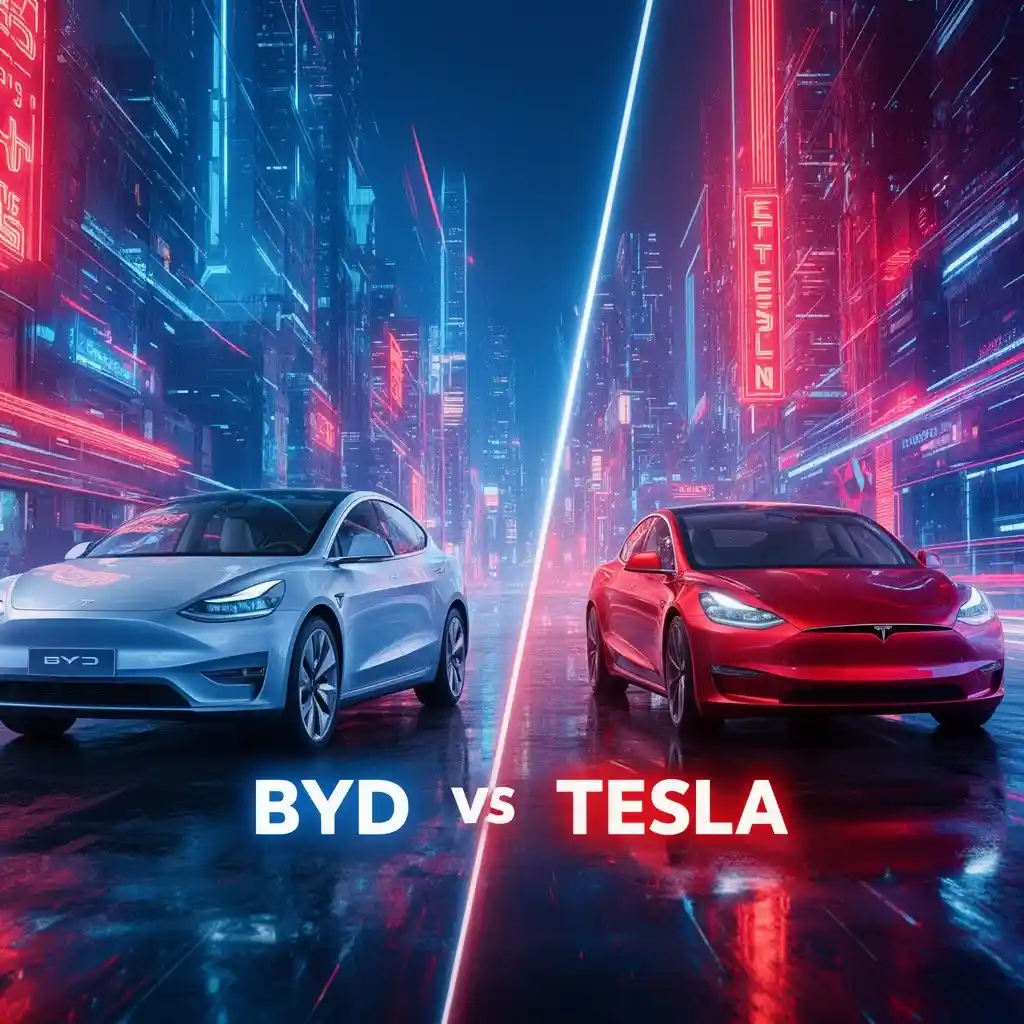
China’s BYD has overtaken Tesla for the fourth straight quarter, becoming the world’s top electric vehicle seller in 2025. Despite Tesla’s strong deliveries, the company faces challenges in the U.S. due to the end of federal tax incentives. Meanwhile, BYD’s aggressive production strategy and growing global expansion put it on track to reach 2.17 million fully electric sales this year. Tesla continues to rely on innovation — including self-driving tech and its humanoid robot “Optimus” — but the financial impact remains limited. The Competition Ignites: How BYD Surpassed Tesla and Redefined the Electric Vehicle Landscape in 2025 The electric vehicle (EV) industry is witnessing one of its most competitive eras ever, with China’s BYD taking center stage on the global market and outperforming the American giant Tesla for the second consecutive year.Despite Tesla achieving record-breaking sales in the last quarter, BYD has continued to dominate with rising deliveries, surpassing its U.S. rival for four consecutive quarters. BYD: A Steady Chinese Rise Despite Challenges Over the past four quarters, BYD sold more fully electric vehicles than Tesla, according to Bloomberg estimates.During the first nine months of the year, the Chinese automaker recorded over 390,000 more vehicles sold compared to Tesla, placing it firmly in the leading position for the current year. Although BYD saw its first drop in sales in 18 months last September, the company remains strong, expecting to end the year with 2.17 million fully electric vehicles sold. Still, BYD faced internal pressures in the Chinese market, where quarterly profits fell by 30% due to market saturation and intense competition. This pushed the company to revise its annual sales forecast to 4.6 million electric and plug-in hybrid units, nearly one million less than its previous target. Tesla: The End of U.S. Tax Credits Shakes the Market On the other side, Tesla is struggling in the U.S. market after federal tax incentives for EV purchases expired, having previously played a major role in boosting the company’s sales.Even though Tesla delivered 497,099 vehicles in the third quarter, it may still see its annual sales decline for the second year in a row. Elon Musk, however, continues to focus on future-oriented projects such as: Self-driving cars The humanoid robot “Optimus” But these innovations have not yet generated significant financial impact on the company’s yearly performance. A Battle of Innovation and Production: Who Leads the Future? With the two companies following different strategies— BYD prioritizing large-scale production and global expansion Tesla betting on technology and artificial intelligence —The ongoing rivalry between them symbolizes the ultimate contest between innovation and production power in the EV industry. Current estimates point to a clear advantage for BYD in terms of overall sales, while Tesla fights to maintain leadership in advanced technologies and autonomous driving. Despite shifting government policies, market incentives, and changing consumer preferences, it appears that BYD has firmly established itself as the global sales leader, while Tesla continues to defend its position through cutting-edge technology and innovation. You may love to see.. Electric Cars vs Gas Cars: Which Is Better in 2025? December 7, 2025 | by Ouanzig Abdessamade Electric Cars vs Gas Cars: Which Is Better in 2025? The automotive world continues its biggest transformation ever, and… Read More → 14 Best Automotive Software for 2025: The Tools Driving the Future of Mobility December 12, 2025 | by Ouanzig Abdessamade 14 Best Automotive Software for 2025: The Tools Driving the Future of Mobility The automotive industry in 2025 is more… Read More → Why Car Design Is Becoming More Important Than Horsepower ? December 17, 2025 | by Ouanzig Abdessamade Why Car Design Is Becoming More Important Than Horsepower For decades, car buyers compared vehicles using numbers: horsepower, top speed,… Read More →
Electric Cars vs Gas Cars: Which Is Better in 2025?
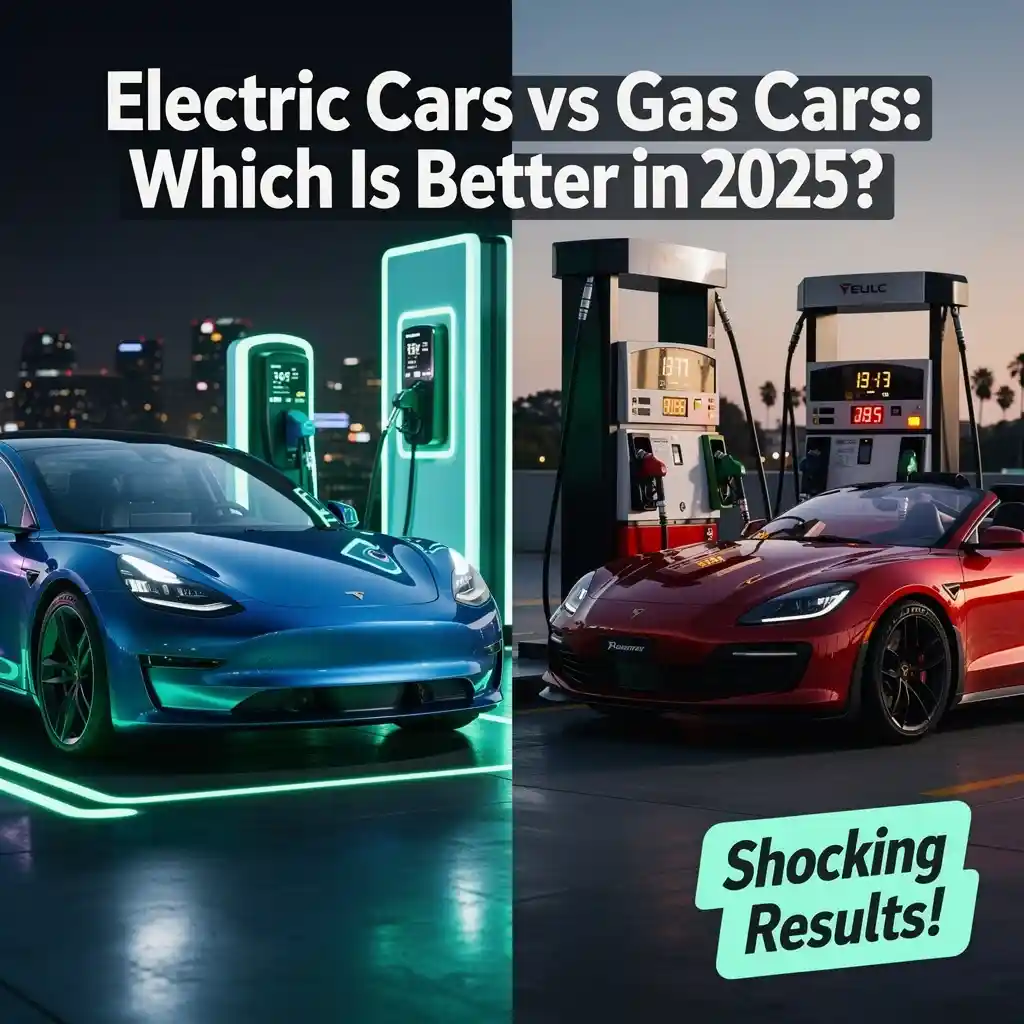
Electric Cars vs Gas Cars: Which Is Better in 2025? The automotive world continues its biggest transformation ever, and the debate between electric cars and gasoline cars is more intense than ever. In 2025, technology, regulations, and consumer habits have evolved dramatically, making this comparison more relevant for car buyers worldwide. Whether you are looking for performance, economy, reliability, or everyday comfort, both types of vehicles bring unique advantages. This article breaks down the differences clearly to help you choose the right car in 2025. 1. Performance and Driving Experience ⚡ Electric Cars (EVs) Electric cars deliver instant torque, which means fast acceleration from a standstill. Models like the Tesla Model 3 Performance, Porsche Taycan, and BYD Yangwang U9 can outperform many traditional sports cars. Pros: Instant acceleration Smoother ride Quiet driving No gear shifting Cons: High speed reduces battery range Some drivers miss engine sound According to the International Energy Agency, electric cars in 2025 continue improving performance and efficiency.Link: https://www.iea.org ⛽ Gas Cars (ICE) Gasoline cars still dominate in terms of top speed and emotional driving experience. Many enthusiasts prefer them for their engine sound, manual gearboxes, and fuel flexibility. Pros: Better top speed in many models Engaging engine sound Long-distance driving without range anxiety Cons: Slower acceleration compared to electric torque Vibrations and noise 2. Cost of Ownership ⚡ Electric Cars Electricity is generally cheaper than fuel. Maintenance costs are lower because EVs have fewer moving parts. Average cost benefits: Lower energy cost per km Minimal maintenance (no oil changes) Regenerative braking reduces brake wear However: Battery replacement is expensive (rare but costly) Higher initial purchase price ⛽ Gas Cars Gasoline cars are usually cheaper to buy, but more expensive to own long-term. Costs include: Frequent oil changes Fuel prices rising in many countries More mechanical parts → more repairs 3. Range and Refueling ⚡ Electric Cars Modern EVs reach 350–700 km per charge.Fast charging networks continue to grow, but still not everywhere. Pros: Charge at home Fast charging improving (15–30 minutes) Perfect for city use Cons: Not ideal in areas with weak charging infrastructure Cold weather reduces battery efficiency You can compare the real-world range of different EV models using the EV Database, which provides updated charging and battery data.Link: https://ev-database.org ⛽ Gas Cars Still unbeatable for long road trips. Pros: Fill up in 2–3 minutes Fuel stations everywhere Better for countries with long distances and poor EV charging** Cons: Higher fuel cost Emissions fines in some countries Gasoline prices continue to fluctuate globally, and you can check the latest averages on Global Petrol Prices.Link: https://www.globalpetrolprices.com 4. Environmental Impact ⚡ Electric Cars Zero tailpipe emissions, cleaner for cities, and essential for fighting climate change. Charging with renewable energy makes EVs extremely eco-friendly. ⛽ Gas Cars Internal combustion engines release CO₂, nitrogen oxides, and other pollutants.More countries are introducing restrictions on older gasoline cars. The EPA explains how EVs significantly reduce emissions compared to traditional gasoline vehicles.Link: https://www.epa.gov/greenvehicles 5. Reliability and Maintenance ⚡ EVs Very reliable because they have: No oil system No spark plugs No gearbox Fewer parts to break The main concern is battery degradation (usually 1–2% per year). ⛽ Gas Cars Still reliable, especially Japanese brands like Toyota and Honda.But require more regular maintenance:oil, filters, belts, exhaust, clutch, etc. Recent tests from Consumer Reports show that electric cars require fewer repairs than gas-powered models. Link: https://www.consumerreports.org/cars 6. Resale Value in 2025 EVs with strong brands keep their value well (Tesla, BYD, Hyundai Ioniq).Low-quality EVs with old batteries lose value faster. Gas cars still maintain good resale value because many buyers prefer traditional engines and are afraid of battery costs. Conclusion: Which Is Better in 2025? The winner depends on your lifestyle: Choose an Electric Car if you: ✔ Drive mostly in the city✔ Want low running costs✔ Want fast acceleration✔ Have charging at home✔ Care about environment Choose a Gas Car if you: ✔ Take long road trips✔ Live in an area with poor charging network✔ Prefer engine sound and driving emotion✔ Need fast refueling anytime In 2025, electric cars are better for everyday use, while gas cars remain better for long-distance drivers and driving enthusiasts. You may love to see.. which one is better BMW or Mercedes-Benz ? December 2, 2025 | by Ouanzig Abdessamade An In-Depht look at two Luxury Automotive Giant For decades, BMW and Mercedes-Benz have represented the pinnacle of German automotive… Read More → 14 Best Automotive Software for 2025: The Tools Driving the Future of Mobility December 12, 2025 | by Ouanzig Abdessamade 14 Best Automotive Software for 2025: The Tools Driving the Future of Mobility The automotive industry in 2025 is… Read More → How Gear Ratios Control Acceleration (More Than Horsepower Ever Will) December 14, 2025 | by kh.byad@gmail.com How Gear Ratios Control Acceleration (More Than Horsepower Ever Will) Most people believe acceleration is all about horsepower. In reality,… Read More →